2 min read
Asbestos is New Zealand’s number one killer in the workplace.
5 mins
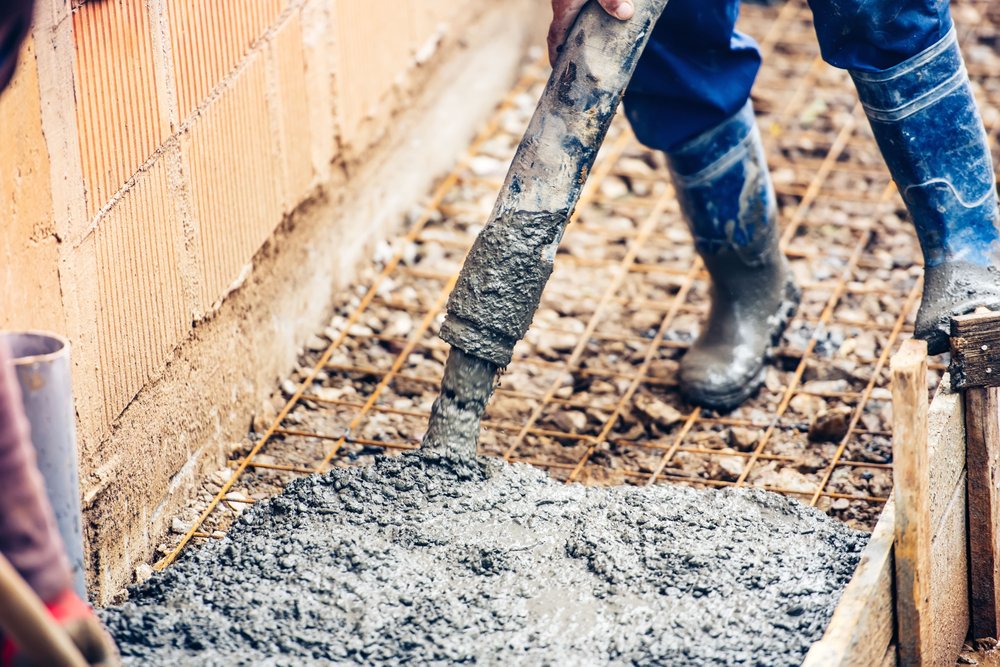
Cement-based concrete is widely used and contains extremely aggressive and hazardous chemicals.
The Health and Safety at Work Amendment Bill is making its way through Parliament. It will bring some important changes. We’ve broken down what’s proposed, what it could mean for your business, and how to keep safety front and centre.
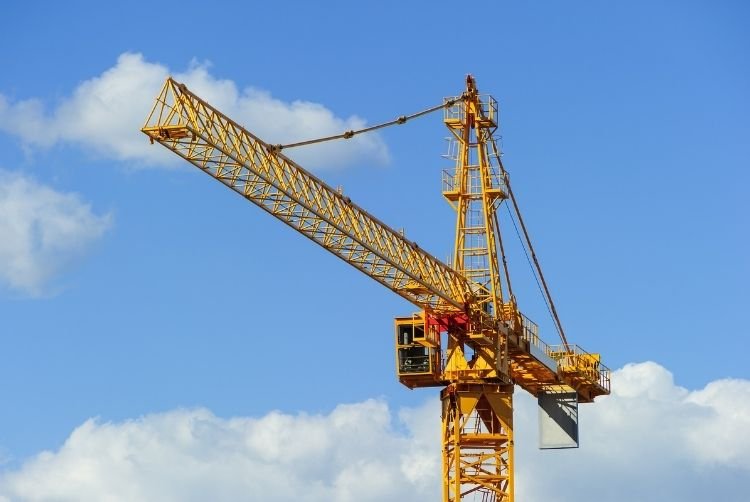
Before operating cranes onsite, businesses must adhere to minimum standards and provide essential documentation.
Workers in construction are 20 times more likely to die of exposure to harmful airborne substances than from a workplace accident.
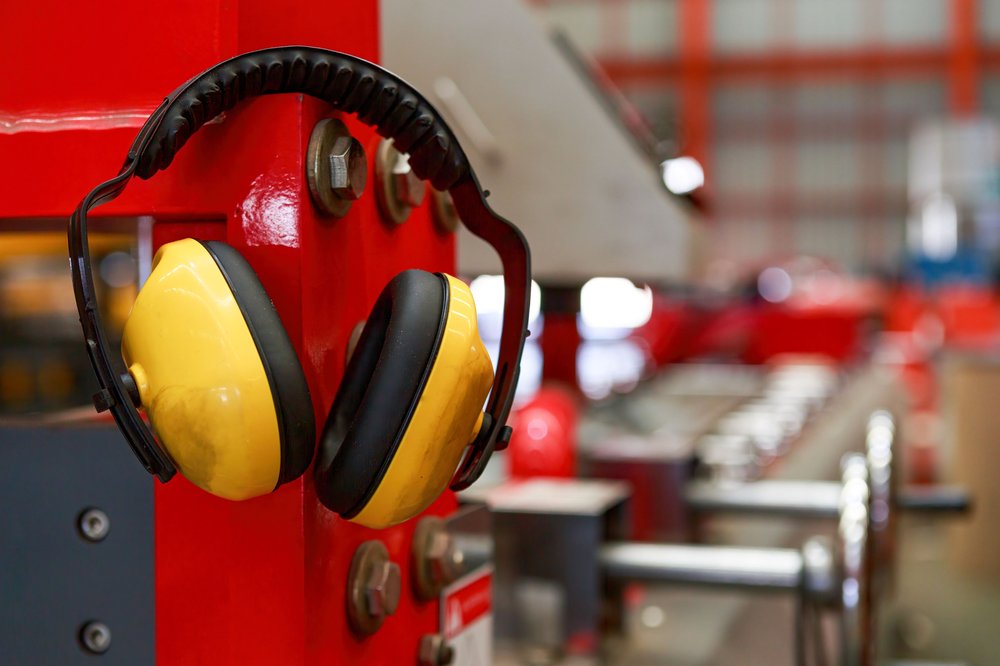
Many construction tasks, tools and equipment produce high levels of noise which can lead to irreversible hearing problems.
Working near electricity is dangerous and accidents can often be fatal. Because no device that can offer you 100% protection from electrocution, it’s important you remember to keep safe.
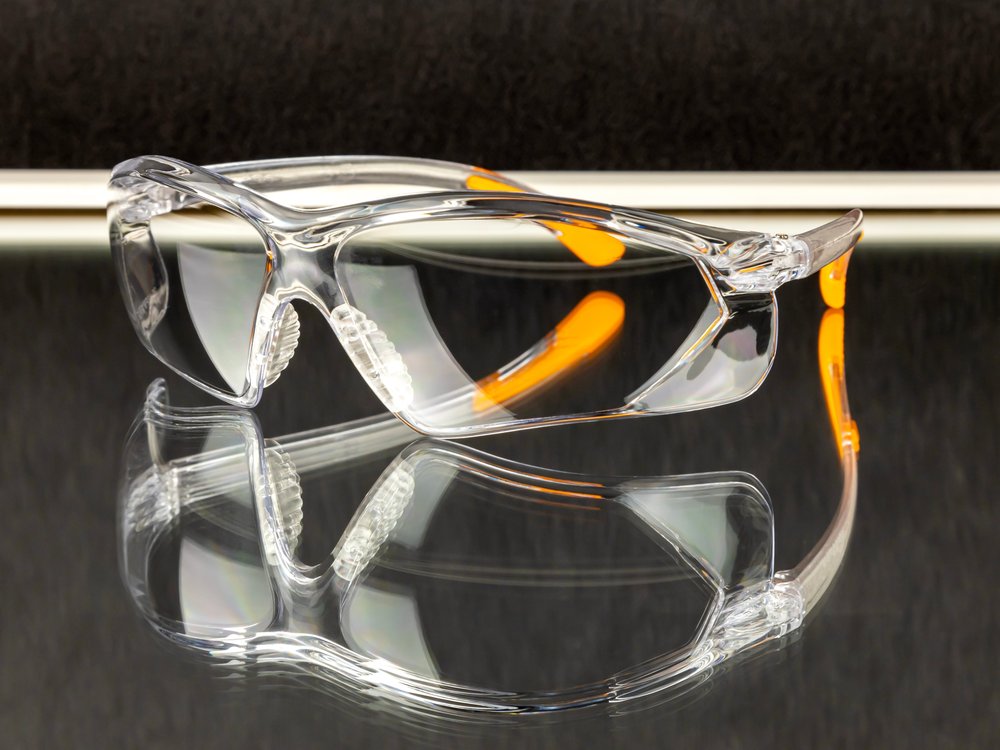
Find out how to select the right eye protection, wear it, how it works, how to care for it and more.
Fatigue is more than feeling drowsy. At work, fatigue is a state of exhaustion which can be both mental and physical.
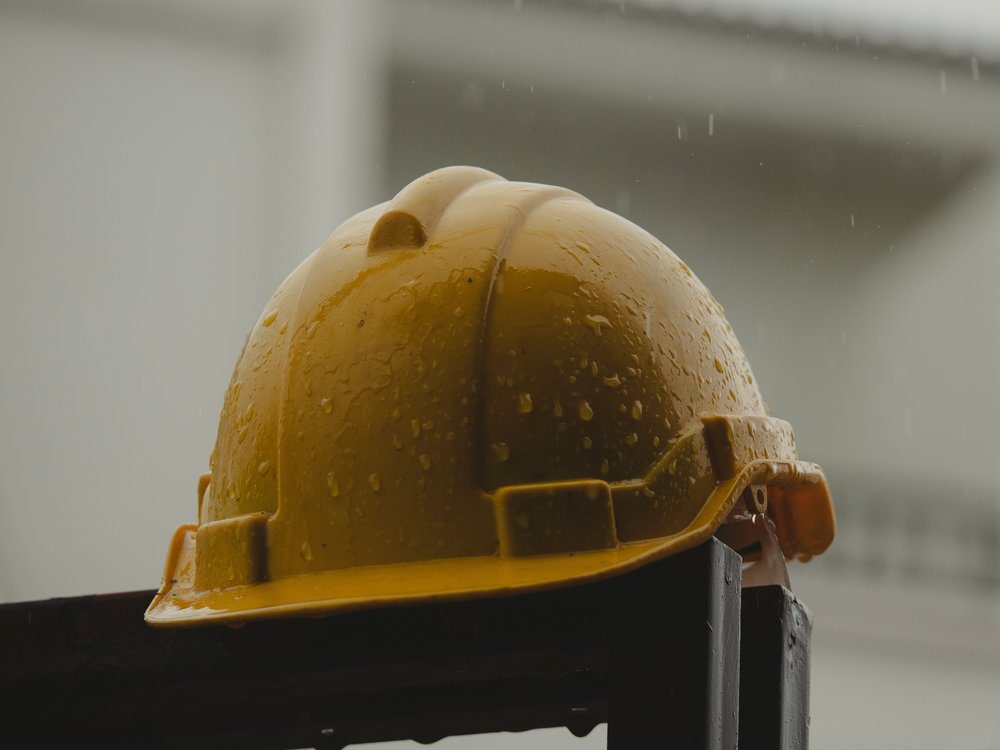
Hard Hats protect workers heads against falling objects, fixed or protruding objects, inadvertent contact with electricity, exposure to UV, weather, and extremes of temperature.
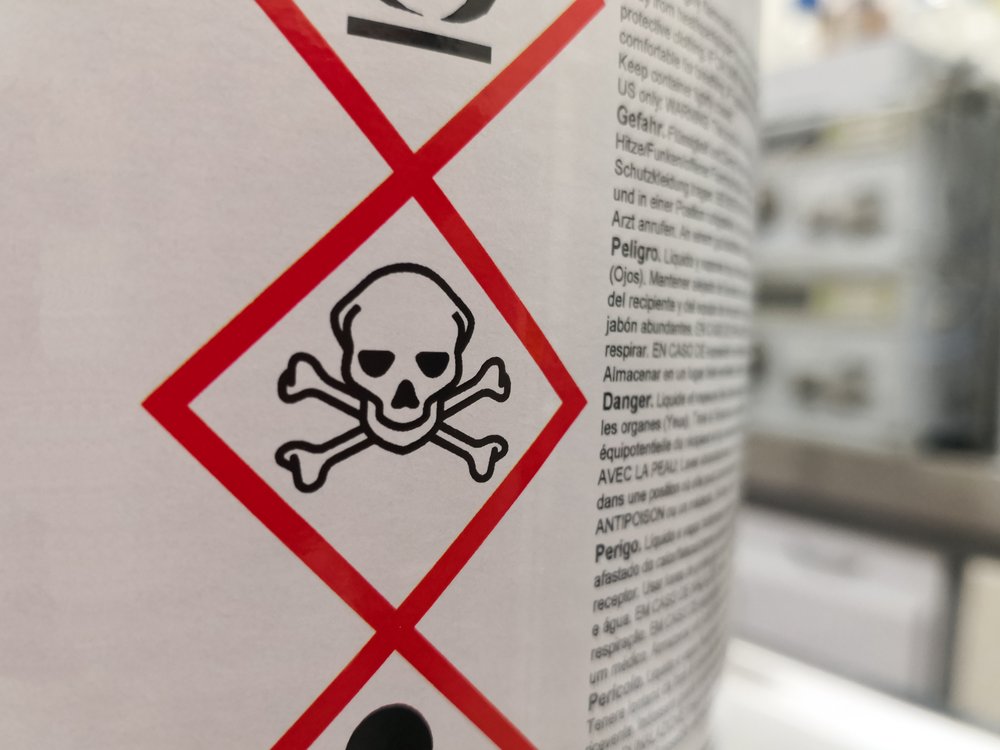
If you are one of the many businesses that use, store or handle hazardous substances, then you need to know how to manage the risks associated with them.
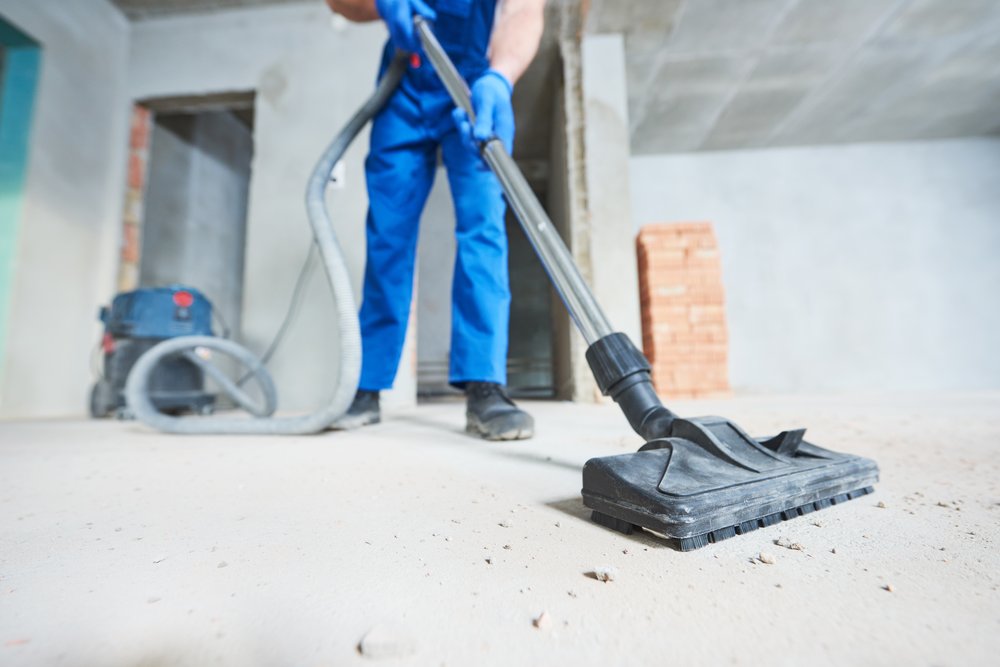
Poor housekeeping is one of the most common causes of injuries at work – and the most preventable.
If you work at height, you must take action to protect workers from harm that could come from a fall, as far as is reasonably practicable.
Working alone can be dangerous. Whether it’s long hours on the road, meeting clients or being the only one on-site, working by yourself presents some unique risks.
Manual handling injuries are amongst the most common injuries in the building industry, with one in four construction workers receiving a back injury of some description in any year.
Under the Health and Safety at Work Act certain events must be notified to the regulator – WorkSafe.
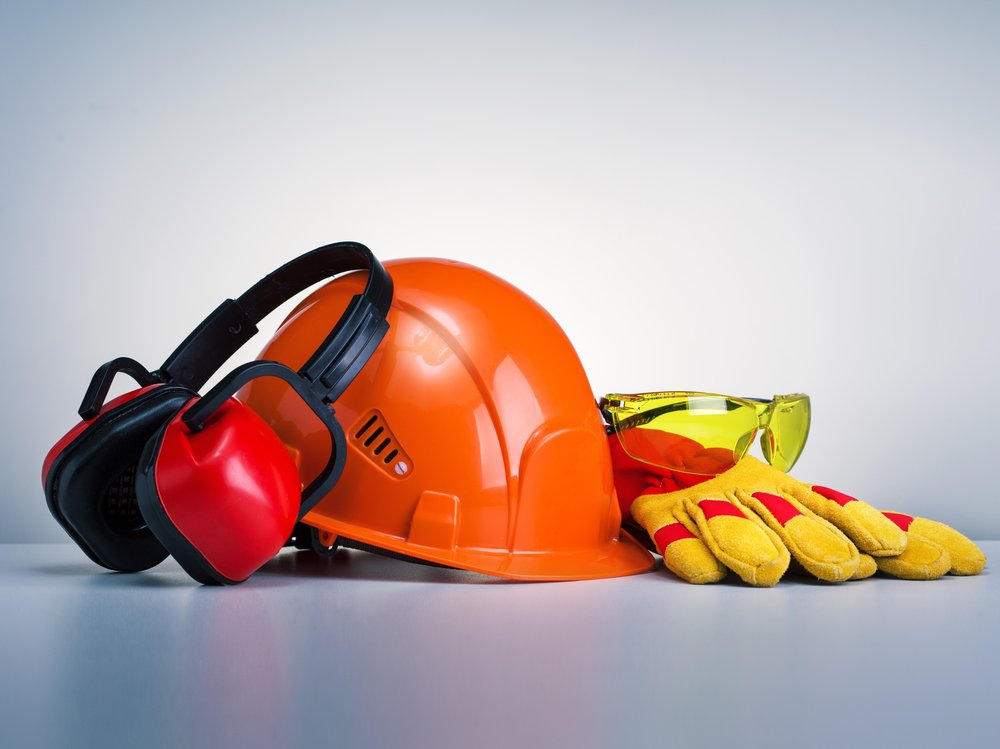
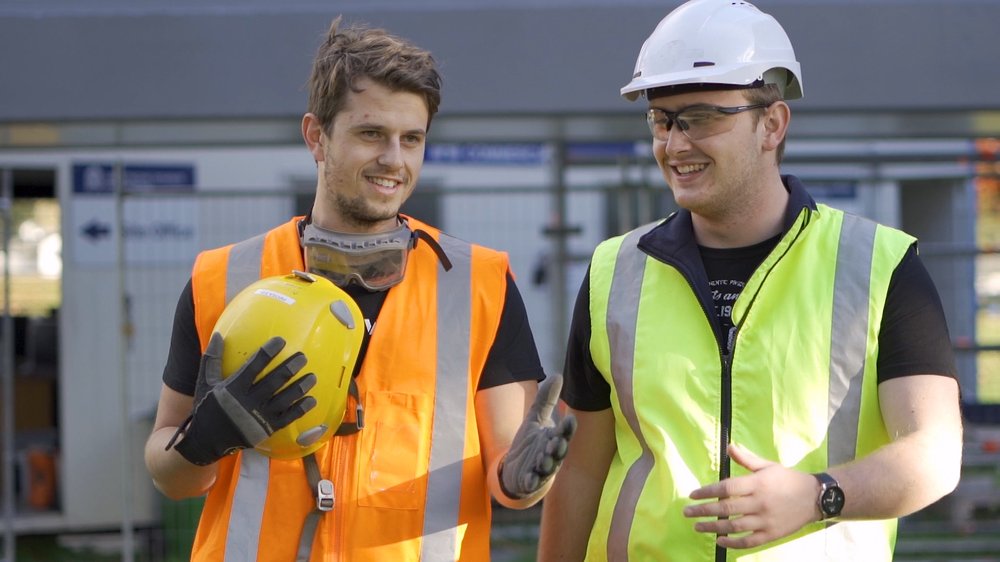
If you’re an employer, it’s up to you to ensure your workers have the right personal protective equipment.
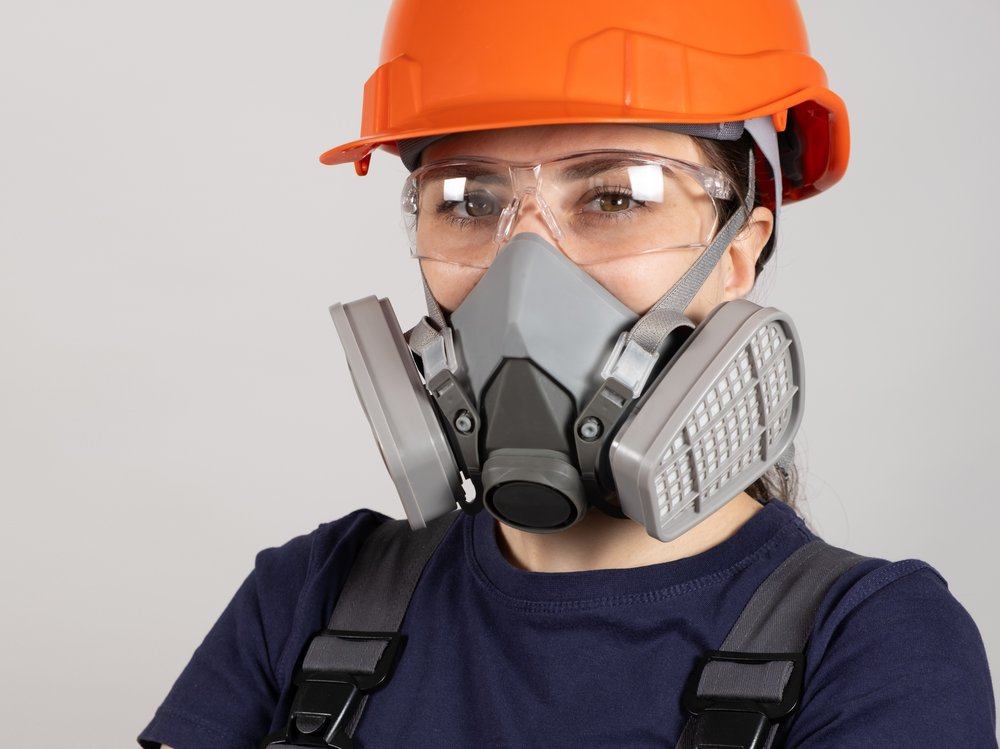
Hazardous airborne substances like dust and chemicals can be a significant risk on site. Respiratory protective equipment (RPE) is one way of preventing harm from these substances.
Creating a healthy and safe work environment is not only an important legal responsibility, it can also lead to better productivity, better relations with contractors and happier workers.
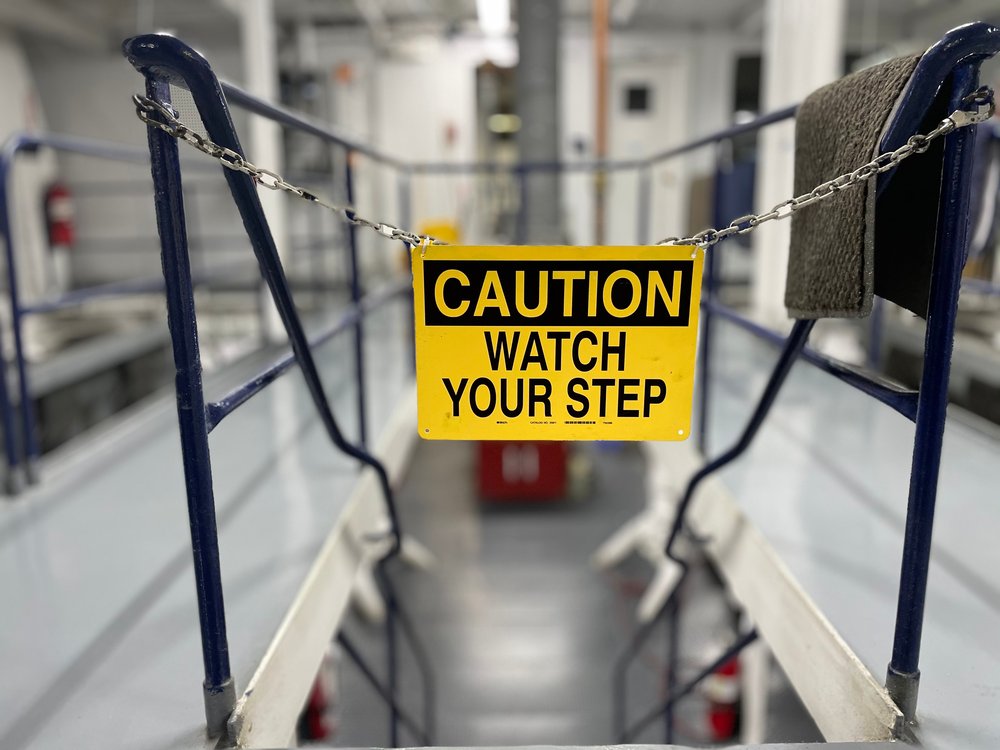
We've put together some helpful tips to help you stay on top of slips, trips, and falls
Summer is a great time for getting work done on a construction site, but it does bring some extra safety risks.
Anyone who works outside in harsh conditions knows the chilly season takes its toll. And with temperatures outside dropping, it’s time to think about protecting yourself and your workers from the elements.
When Andrew Henderson started Henderson Building Wash and Pest Control (Henderson BWPC) with his son in 2025, health and safety was always going to be a priority.
How one small Auckland locksmith business made health and safety paperwork simpler and turned their SiteWise prequalification score around.
NX2 needed to ensure their subcontractors were ISO 45001 compliant on the Ara Tūhono – Pūhoi to Warkworth motorway project.
Master Plumbers goes above and beyond with Wellbeing on Tap programme to secure the 2023 Kalmar Mental Health and Wellbeing Award.
A chance encounter watching a worker perform an unsafe work act led to David Honey inventing an award-winning product that has increased the safety and accuracy of core drilling around New Zealand and Australia.
Scafit was recognised for their commitment to their employees, receiving an ISO 45001 certification for health and safety management from Telarc Limited.
Teaching construction workers to train and think like top athletes helps to prevent injury and improve wellbeing.
The vision, collaboration, and leadership David Taylor showed during the large Waikato 50 project earned him the Safety Leadership Award for small, medium or large organisations at the 2021 Site Safe Health, Safety and Wellbeing Awards. We spoke to David
Livingstone Building Achieves ISO 9001:2015, ISO 14001:2015, and ISO 45001:2018 Integrated Management System Certification
Elle's journey through Site Safe’s Health and Safety in Construction Programme
Nathan's journey through Site Safe’s Health and Safety in Construction Programme
Jasmine's journey through Site Safe’s Health and Safety in Construction Programme
Motivated by the tragic loss of workers to suicide and the ongoing challenges of mental health and addiction, the organisation identified the urgent need for innovative and culturally sensitive methods to support its workforce.
This report presents the results of a study that analysed the content of coronial reports for suicides in the New Zealand construction industry.
We offer three Site Safe courses that take an in-depth look into Mental Health and Wellbeing.
These handy mental health and stress pocket guides provide practical tips on how to have a conversation about mental health and identify the signs of stress.
Checkout and share these mental health videos with your staff at your next toolbox talk about recognising the warning signs of poor mental health, and starting the conversation in construction.
Free mental health and wellbeing platform for Site Safe members
Frequently asked questions for Site Safe members wanting to access their free sessions with Ignite Aotearoa
Kia ora and welcome to the Live Well Build Well Mental Fitness Learning Module. This short, sharp learning module is built for New Zealand’s residential construction workforce.
Accidents describe safety incidents where someone is injured. Although accidents are unintended, few are unforeseeable. An employer’s duty is to control knowable risks to workers safety and health.
Health effects of asbestos exposure are asbestosis, lung cancer, and mesothelioma. It can take years for the harm to become evident. 220 people die from asbestos related disease every year.
Biological hazards include bacteria, fungi, viruses, plant, and animal particles. Pathogens can be water- or air-borne, or live in organic matter and soil. 80 cases of Leptospirosis and 180 cases of legionellosis were notified to MOH in 2021 (ESR data).
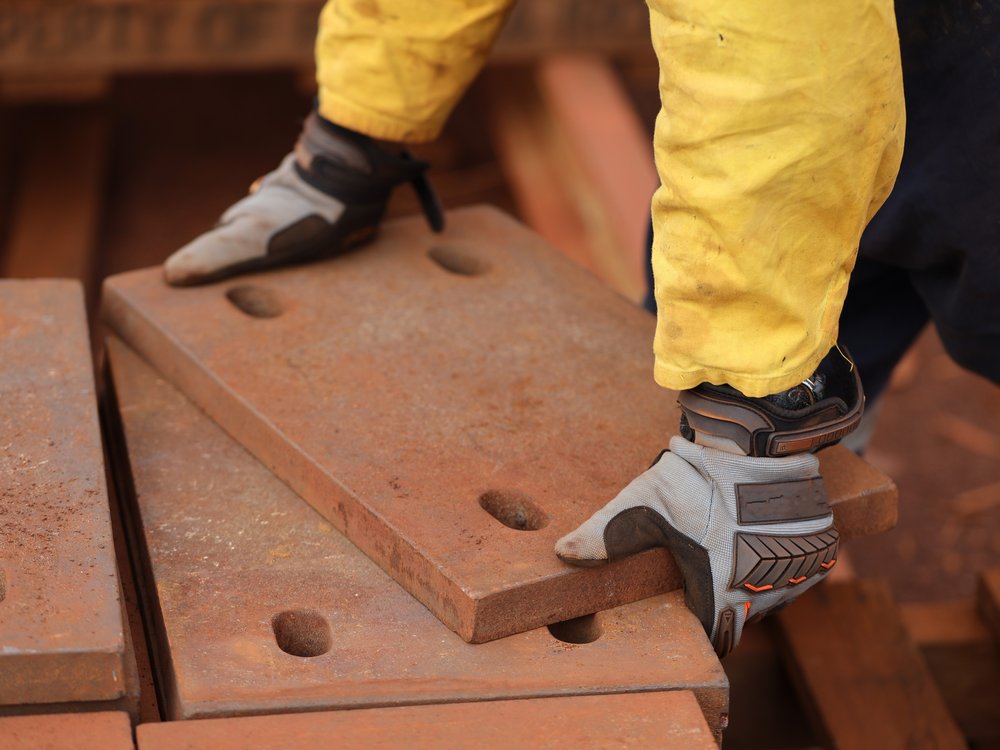
Body stressing is muscular stress caused by lifting, carrying, twisting, putting down objects, and repetitive movements (manual handling).
Confined Spaces are "enclosed or partially enclosed spaces not intended for human occupancy" (AS 2865). They pose significant risks due to poor access and environmental, chemical, biological, energy, or impact hazards.
It is up to everyone on site to understand all critical risk activities and that they are identified, managed and mitigated.
Demolition work is risky and requires high awareness to avoid falls, falling objects, moving machinery, and unstable structures. It can disrupt or uncover live services, hazardous chemicals, or biological materials.
Toolbox talks are a key part of an employer’s duty to manage risks. Talks help demonstrate that an employer informs and trains workers to work safely. They are also an opportunity to encourage positive safety culture through worker engagement.
Many construction sites require excavation work, particularly trenches. If this work isn't planned or carried out correctly, it may lead to serious injury or death.
Existing services covers every service that is present on site. This includes underground or overhead services. This Toolbox Talk steps you through working with existing services safely.
Safe work systems should eliminate or minimise the risks of fire. HSAW Regulations require workers to be trained to follow emergency response plans, have the appropriate equipment on hand, and have access to first aid.
156 workers were seriously injured by moving objects in 2022, and five workers died from vehicle accidents.
The HSAW Act (2015) requires employers (PCBUs) to ensure safe workplaces and collaborate with other PCBUs. Officers are liable for resourcing safe work and policies. Workers must care for their own and others’ safety and follow employer instructions.
The Health and Safety at Work Act (2015) mandates workers protect their own and others’ welfare and follow employers' reasonable instructions. Employers (PCBU) have a duty to control risks due to their resources and authority over safe work praticices.
Hot Works are any operation that creates high heat or fire. This is a critical risk because it could be fatal.
Good housekeeping prevents accidents, protects workers, and reduces costs. A messy workplace shows poor safety commitment and site management. The Health and Safety at Work Act (2015) mandates safe workspaces and clear access at all times.
Drinking and drug taking while at work covers any instance that impacts negatively on the workplace, even if it happens outside work hours and away from work.
Ladders and residential roofs cause up to 70% of fall injuries, with over 50% from heights less than three meters. Ladders, lacking platforms and fall protection, are inefficient and suitable only for short-term use and accessing levels.
Lead paint, common in older buildings and beneath newer layers, is a chemical hazard. Some special purpose paints still use lead and are clearly labeled as toxic. Assume buildings over 25 years old contain lead.
In civil and commercial construction, cranes are used to move large loads. A competent crane operator is essential. The dogman (rigger) handles slinging the load. The site controller ensures the crane is operational, safely positioned, and used properly.
Lifting and slinging (also known as load lifting and rigging) comes with known dangers which can lead to serious injury or death.
Managing waste in an organised and safe way contributes to efficiency and sustainability. Storing rubbish and material waste unsafely contributes to the thousands of slips, trips, and falls that injure workers and cost employers in lost production.
Manual handling risks are the most common injuries in construction, with 1 in 4 workers receiving a back injury of some description in any year. ACC claims for lifting, carrying, and strain injuries number over 50,000 a year.
Talking about mental health and suicide prevention enable us to provide information and options, and it lets others know they are in a safe environment to do so.
The movement of vehicles and mobile equipment on a construction site presents a critical risk for people and property.
It is crucial that everyone in the workplace is aware of the potential hazards of using power tools as well as being competent at using the tool.
Environmental hazards such as seasonal conditions can change our working environments – bringing new risks and changing existing risks.
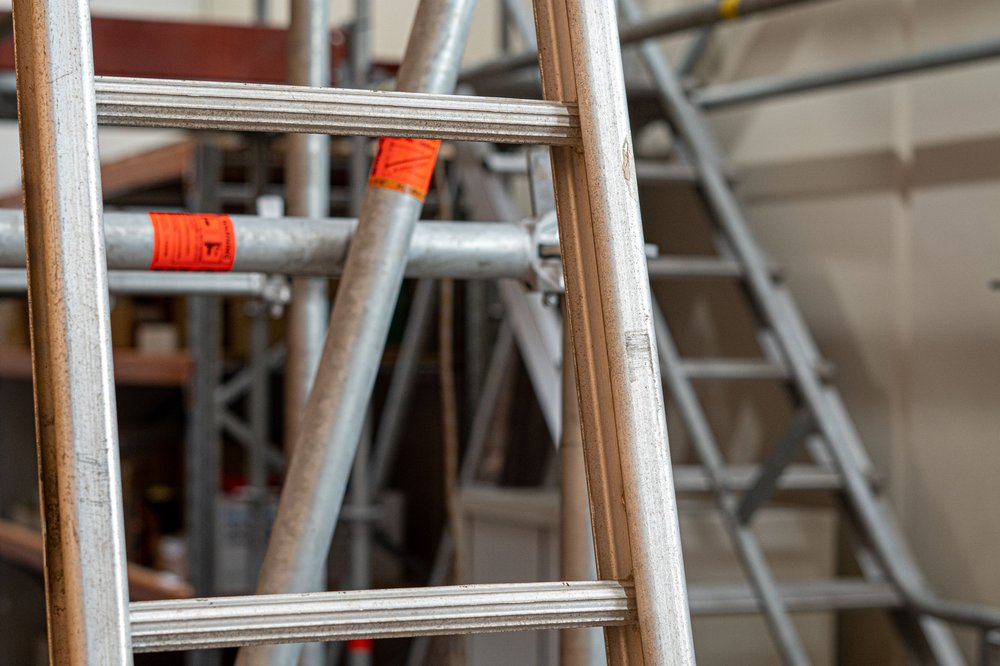
Temporary Work Platforms include trestles, podiums, folding and step-up platforms, constructed work platforms, and platform ladders. Since 2013, over 5000 construction workers fell from heights, many from low heights, which remain largely unregulated.
Traffic on a construction site can be highly dangerous if moving vehicles and equipment are not used correctly or safely.
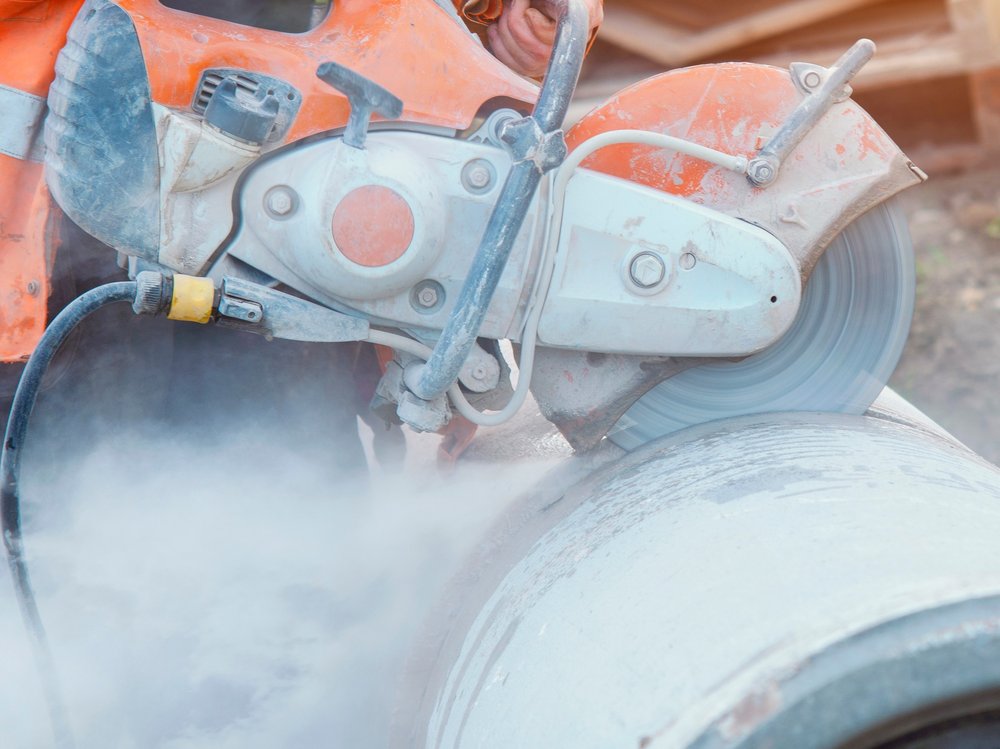
Physical hazards pose immediate risks of injury. Cutting and grinding tools must be properly matched and fitted to the machine and task. Workers need to be informed, trained, and supervised to use equipment safely and change discs correctly.
Working at height is a hazard. WorkSafe reported 645 injuries and 12 deaths in construction from 2022 - 2023. Most falls occur from low heights. Work under 3m and scaffolding under 5m are largely unregulated, although duties under HSAW still apply.
All workplaces, including civil and commercial construction sites, must provide safe work areas and healthy facilities for workers. Workers must be able to enter, exit, work, and move within a workplace safety - including in an emergency.
Immediate safety risks often overshadow health risks, though work-related illnesses kill 750-900 Kiwis annually. Health issues accumulate over time, unlike injuries from single incidents.
Dust is defined as fine, dry powder consisting of tiny particles of earth or waste matter, either on the ground or carried in the air. When breathed deep into the lungs it can cause damage.
There is no electrical appliance that will provide 100% protection. This Toolbox Talk takes you through safe use of working with electricity on site.
We all deserve to work in a safe environment. Unfortunately, there are situations where violence is present in the workplace.
30 minutes
This Massey University study found discrepancies in perception and response to work-related stressors between male and female professionals in the New Zealand construction industry.
The first piece of research under Site Safe and Massey University's Memorandum of Understanding investigates the origins of, and strategies to deal with, stress in the construction industry.
The study analysed 300 coroners’ files of suicide in construction, between 2007 to 2017.
A study conducted by Ihi Research, in consultation with industry leaders, that reviewed Site Safe’s suite of training products and services.
Results from the research show a worsening of mental health driven by Covid-19.
This research was completed by New Zealand Work Research Institute with AUT.
This paper was completed by MBIE working with the Office of the Minister of Workplace Relations and Safety.
The Employers and workers report was commissioned by WorkSafe, research completed by Colmar Brunton: A Kantar Company.
Completed by The Bartlett School of Construction and Project Management, University of Hong Kong, School of Engineering and the Built Environment, Anglia Ruskin University.
This research was completed by Universitas Indonesia, Faculty of Built Environment: UNSW Sydney and the University of Technology Sydney.
This research was published in the journal of Engineering, Construction and Architectural Management by authors Khan, S.B., Proverbs, D.G. and Xiao, H.